What is Wheelchair Service?
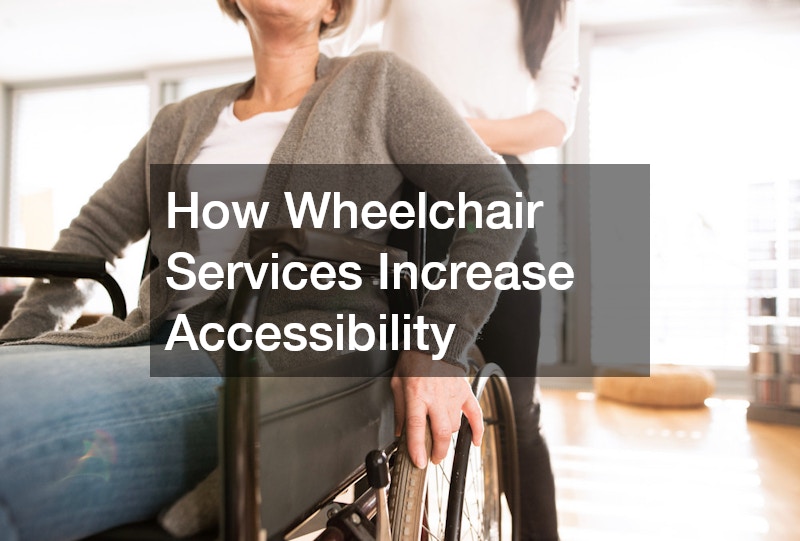
Wheelchair service refers to the provision of equipment and assistance to individuals who experience mobility challenges. For many individuals living with mobility impairments, these services offer a lifeline to greater freedom and autonomy.
By offering support in public transportation networks and various infrastructures, wheelchair services ensure that barriers to mobility are minimized. This service is not merely about moving individuals from place to place, but about providing an enriching life experience that fosters inclusion. Furthermore, the integration of efficient wheelchair services signifies a commitment to the equal participation of all individuals in societal activities.
Having access to wheelchair services is essential for preserving the dignity and independence of individuals with mobility impairments. These services devise innovative solutions to aid individuals in navigating complex environments, especially in areas not traditionally designed with accessibility in mind. Beyond convenience, it fosters self-determination and confidence among users. Enabling access promotes an inclusive environment where individuals with disabilities can thrive alongside others. When spaces become more accessible, everyone benefits from the enriched community interactions and diverse representations.
How Can You Access Wheelchair Service?
Accessing wheelchair service is a straightforward process that typically involves advance planning and communication. It begins with reaching out to the appropriate customer service at least 48 hours ahead of time, ensuring that specific needs and preferences are communicated clearly. Having documentation, whether an identification or a medical certificate, may be required to substantiate the need for assistance. Arriving early when utilizing public transport or entering busy spaces allows sufficient time for staff to organize the necessary resources. This systematic approach ensures that individuals receive the assistance they require without excess delays or inconveniences.
Each public space and transportation system likely adheres to specific guidelines and processes for wheelchair services, thus it is advisable to familiarize oneself with these protocols ahead of time. Most established institutions provide detailed guidelines through their official websites, customer service hotlines, or in informational brochures. Additionally, engaging with community advice groups or forums can offer valuable insights from those who have previously navigated the process. The success of accessing these services significantly depends on effective communication between the service provider and prospective users. Keeping abreast of any updates or changes to protocols ensures that individuals are always equipped with the latest information.
What are the Benefits of Wheelchair Service?
Wheelchair services offer significant benefits, foremost of which is granting greater independence to individuals with mobility impairments. By providing specialized support, these services empower users to maneuver through environments that may otherwise present challenges. Not only do they expedite navigation through security checkpoints and crowded areas, but they also alleviate stress that can arise from such situations. The assistance with handling luggage and personal belongings further reduces the physical and mental demands typically associated with traveling. This comprehensive support culminates in enhanced user experiences, ensuring comfort and ease in challenging settings.
The advantages of wheelchair services extend beyond mere physical support to embody an inclusive social ethic. They highlight a commitment to equitable public services that respect and cater to the diverse needs of the community. By accommodating these needs, wheelchair services promote an environment where everyone can contribute and participate actively in societal and cultural interactions. Moreover, individuals who utilize these services bear witness to reduced anxiety associated with long distances or unaccommodating spaces. This development reflects progress towards universal design principles that seek to benefit all individuals, irrespective of their ability.
What Challenges Exist in Accessing Wheelchair Services?
Despite the crucial support they provide, wheelchair service users often face various barriers when trying to access these services. One of the more common issues includes a scarcity of available services in certain regions or facilities, which limits users’ ability to travel freely. Another challenge is the often opaque booking processes that can deter or confuse individuals unfamiliar with the system. Moreover, inadequate staff training or insufficient personnel impede efficient service provision, leading to delays and potential discomfort for users. Such hurdles highlight the necessity for service providers to actively seek out and integrate user feedback to improve service delivery.
Compounding logistical challenges are the physical limitations of environments that are not universally designed for accessibility. Inaccessible infrastructure can include everything from narrow doorways to lack of elevators, all of which hinder mobility and independence. These inadequacies necessitate a concerted effort to adapt and remodel public areas that acknowledge the rights and needs of all citizens. The collaboration between architects, urban planners, and advocacy groups plays a crucial role in designing spaces that accommodate wheelchair users effectively and humanely. Transparent communication and regulatory standards that mandate accessible design can bridge these gaps, creating environments where everyone can thrive jointly.
In addressing these challenges, focusing on educational initiatives that raise awareness of mobility issues becomes essential. Encouraging dialogue about accessibility inevitably promotes empathy and consideration, inspiring changes in public policy and cultural attitudes. Advocates can work alongside governmental bodies and institutions to implement accessibility measures and provide training programs for service providers. By spotlighting real-world stories and experiences, societies can drive impactful policy changes that lead to more effective service management. Ultimately, recognizing and confronting these challenges is a collective stride towards dismantling barriers and fostering a truly inclusive environment for all.
How Can You Advocate for Better Accessibility?
Advocacy for improved wheelchair services and broader accessibility begins with grassroots initiatives and individual action. People can join or support organizations focused on disability rights that seek to influence policy and legislative changes. These groups often host events, workshops, and campaigns that equip individuals with negotiation and advocacy skills, enhancing the effectiveness of their efforts. Engaging directly with service providers by offering suggestions or critiques highlights practical areas for improvement based on real needs. This participatory approach creates a feedback loop where continuation of dialogue informs practical service improvements and empowers individuals.
Another avenue of advocacy involves fostering public awareness and understanding through education and outreach efforts. Simple actions such as sharing informative resources or engaging in discussions provide opportunities to broaden perspectives and cultivate a culture of inclusivity. Schools, businesses, and public institutions have a role in promoting disability awareness through training programs and inclusive practices within their everyday operations. Individuals can also utilize digital platforms to amplify their messages and connect with wider audiences, encouraging supportive actions among peers and corporations. This momentum carries the potential to create lasting societal change that underscores commitment to accessibility and universal rights.
By recognizing the profound impact of wheelchair services on quality of life and pursuing improvements across systems and processes, societies invest in a more inclusive and cooperative future. Providing equitable opportunities for mobility and integration ensures that each person can fully and authentically engage with their environment, fostering reciprocal respect and mutual understanding. In doing so, communities set a precedent for inclusivity that transcends barriers, celebrates diversity, and underscores the inherent value of each individual. This narrative of progress serves to inspire and inform future generations of the importance of universal design and accessibility, underscoring the collective commitment to equality and dignity for all.